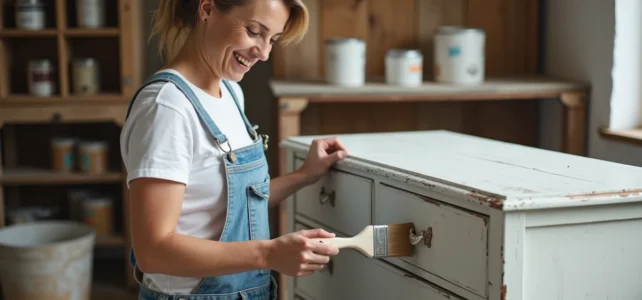
We’ve all had that moment in a DIY store: the Libéron pot catches the eye with its crafted shades, the label promises application without a primer, and the price raises an eyebrow. Before heading to the checkout, it’s wise to know what this paint really performs like once applied to a kitchen cabinet or a living room woodwork.
Libéron Casein Paint: What the Pot Doesn’t Say Enough
The Libéron furniture range is based on a casein formulation, a milk protein used as a binder. On paper, it’s a solid argument: casein offers a highly sought-after chalky matte finish in decoration, with a velvety feel that traditional acrylic paints do not replicate.
In practice, this base imposes constraints. Casein reacts poorly to prolonged humidity. Applying this paint on a bathroom cabinet or a kitchen countertop exposed to water splashes risks seeing the film degrade within months. Therefore, the casein range is reserved for dry rooms and less-used furniture.
Another point rarely detailed: the mention of “no primer” on the label. On raw or lightly sanded wood, adhesion works correctly. On already varnished, laminated, or melamine furniture, the feedback is significantly more mixed.
Several users report adhesion issues after a few weeks of use, with the film chipping at corners and friction areas. As detailed in our review of Libéron paint, prior sanding and a bonding primer are often necessary for a durable finish.
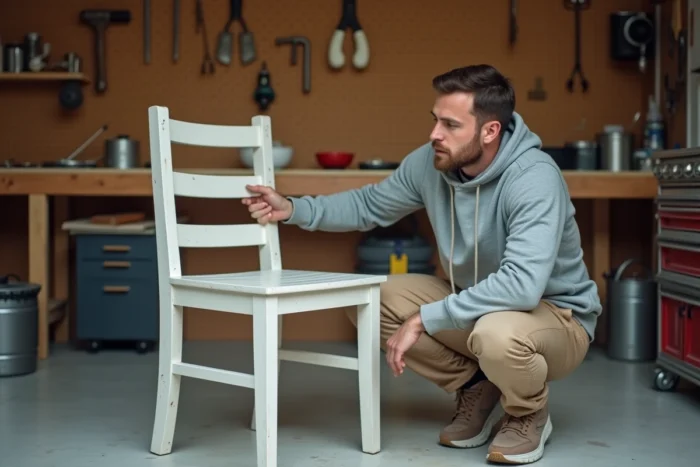
Coverage and Drying: User Experiences on Application
This is probably the most divisive topic. The coverage of Libéron paint varies greatly depending on the substrate and the chosen color.
Light Shades Cover Better Than Dark Ones
On light wood or furniture already painted white, one to two coats are usually sufficient for a uniform result. Pastel shades (linen, pearl gray, off-white) cover without difficulty.
Dark or saturated colors often require a minimum of three coats. A midnight blue or deep green applied in two coats may show the substrate in places, especially on edges and moldings. Therefore, an additional coat is added, which increases paint consumption and project time.
Drying Time Between Coats
Libéron indicates quick touch drying. In practice, it is observed that rushing the coverage (less than four hours) causes roller marks and an uneven film. Waiting a full night between each coat yields a much cleaner result. In humid or cold periods, drying may take even longer.
Durability and Protection: Limits to Know Before Painting
The durability of Libéron paint directly depends on two factors: the preparation of the substrate and the application of a protective finish.
- Without a protective varnish, the chalky matte finish marks easily. Fingerprints, handle friction, and everyday impacts leave visible marks within weeks on commonly used furniture.
- A clear matte varnish (Libéron offers one in its range) significantly improves resistance. The surface becomes washable and better withstands micro-scratches.
- On wall woodwork or closet doors, durability is acceptable as long as initial sanding is respected and enough coats are applied.
Without a protective finish, Libéron paint is not suitable for heavily used furniture (dining table, chair, entryway dresser). This has been observed on several projects: the film wears at contact points in less than six months.
Price of Libéron Paint Compared to Market Alternatives
Libéron’s pricing is positioned at the higher end of the mass market segment. For a casein furniture paint pot, one pays significantly more than for a standard acrylic renovation paint sold in DIY superstores.
The question arises: is this extra cost justified by the quality of the finish? If one is looking for a genuine chalky matte decorative effect, the answer is yes. Casein provides an appearance that standard acrylic paints do not replicate, even with a matting additive.
However, if the goal is simply to repaint a piece of furniture to give it a fresh look with good durability, multi-surface acrylic alternatives offer superior durability at a lower price. Resistance to abrasion and humidity clearly favors acrylic or alkyd formulations in this regard.
- Libéron casein: superior decorative finish, average durability without a finish, high price.
- Acrylic renovation (like V33 or Dulux): smoother and less textured finish, better mechanical resistance, more accessible price.
- Aqueous phase alkyd paint: interesting compromise between durability and ease of application, low odor, quick drying.
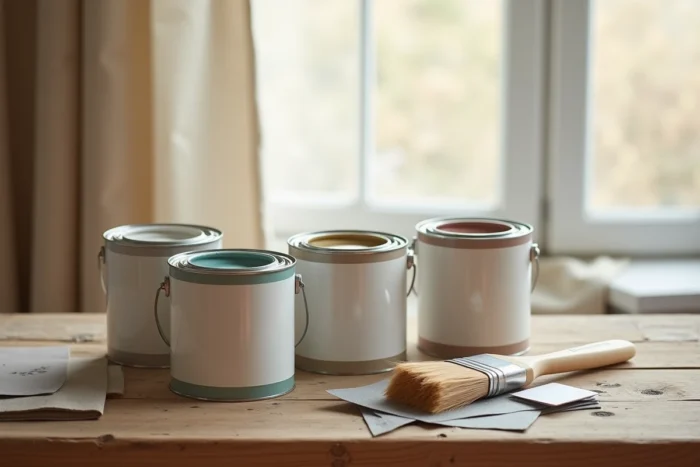
Trustpilot Rating and Gap with Decoration Blog Reviews
One point that decoration articles rarely mention: Libéron has a rating of around 2.4 out of 5 on Trustpilot France. Recent reviews point to product quality issues, customer service, and delivery, far from the glowing discourse found on most specialized sites.
Feedback varies on this point, as Trustpilot reviews mix product experience and online shopping experience (timeliness, packaging, customer service). A user satisfied with the finish of their paint but unhappy with the delivery will leave a low rating. This nuance is important for correctly interpreting the overall score.
Libéron paint remains a good choice for decorative projects on less-used furniture, provided that preparation steps are not skipped and a protective finish is planned. For intensive use or humid rooms, an acrylic or alkyd renovation paint will be more suitable for daily use.