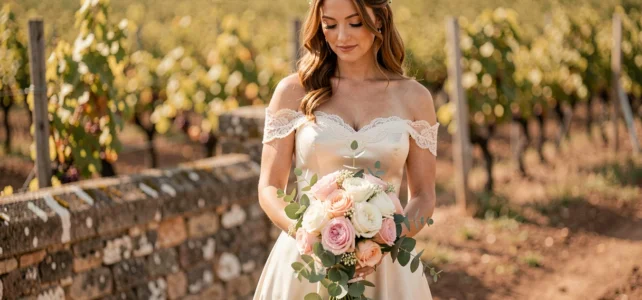
In 2024, around 242,000 marriages were celebrated in France, confirming a stabilization after the massive postponements related to Covid. This figure, derived from the demographic report of Insee, reestablishes marriage as a practice still deeply rooted in French society. At the same time, nearly 204,000 PACS were concluded in the same year, creating a landscape where two forms of union coexist in almost equal parts.
The wedding trends of 2024 are not just about decoration or color choices: they reflect budgetary decisions, sociological changes, and real economic pressure on couples.
Wedding budget 2024: what inflation has changed for couples
Post-2021 inflation has significantly increased the average cost of a wedding. Caterers, florists, photographers, reception venues: each category has experienced price hikes related to raw materials, energy, and labor.
This budgetary pressure does not affect all couples in the same way. Those with a tight budget reduce the number of guests or postpone the reception to a less popular season. Others make trade-offs between the dress, the venue, and the caterer, sacrificing one to preserve the other. The trend towards “DIY” (making one’s own table decorations, invitations) stems less from an aesthetic choice than from an economic necessity for a growing number of future brides and grooms.
Following the news on Esprit Mariage allows you to identify providers who adapt their offerings to these new constraints, with flexible options based on the number of guests or the chosen season.
PACS vs ceremony: marriage facing its direct competitor
Marriage does not evolve in a vacuum. With nearly 204,000 PACS concluded alongside marriages in 2024, France presents an atypical case in Europe. This “second market” of civil union, devoid of a mandatory romantic ceremony, attracts couples who want a legal framework without the costs or logistics of a reception.
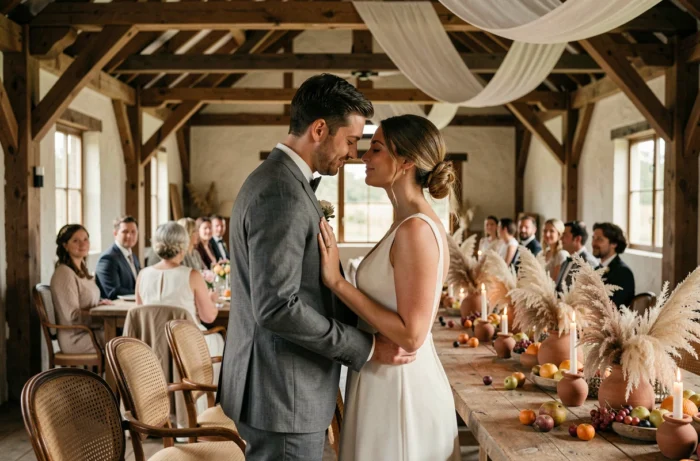
This structural competition alters the profile of couples choosing marriage. Those opting for the ceremony increasingly do so out of a desire for a strong collective moment, not just for legal status. The experience shared by guests, the atmosphere of the celebration, and the personalization of the event take precedence over administrative formalities.
Field feedback varies on this point: some wedding planners note that couples initially leaning towards PACS ultimately switch to marriage for the event itself. Conversely, other professionals observe a decline in the average number of guests per reception, indicating that the model of the grand traditional wedding is losing ground to more intimate celebrations.
Decoration and reception: the concrete choices that mark 2024
Earthy and botanical color palettes dominate tables in 2024: sage greens, terracotta, warm beiges. These are not mere aesthetic whims. These shades harmonize with vintage, rented, or reusable decoration elements, which reduces the floral budget and limits waste.
On the reception side, several concrete evolutions emerge:
- The buffet increasingly replaces the classic seated dinner, featuring local and seasonal products that help control catering costs while offering a friendly atmosphere
- Interactive entertainment (group games, personalized photo booths, cocktail workshops) takes the place of traditional lengthy speeches, to maintain the energy of the celebration
- Outdoor secular ceremonies in rural estates or private gardens continue to grow in popularity compared to exclusively religious or municipal formats
Personalization extends to details: hand-calligraphed menus, playlists co-created with guests in advance, guest gifts made by the couple. The shared experience takes precedence over extravagance.
Attire of the newlyweds in 2024: the end of the imposed total look
The traditional white dress remains predominant, but it coexists with alternatives that would have seemed marginal a decade ago. Brides are choosing two-piece sets, jumpsuits, or colorful dresses. The groom’s three-piece suit is available in linen, textured cotton, sometimes without a tie.
Second-hand is becoming established in ceremony attire. Specialized platforms offer designer dresses worn only once, at a fraction of the new price. This market addresses the dual constraints of budget and ecological awareness, without sacrificing fabric quality or fit.
Couples who freely compose their outfits, mixing new and vintage pieces, reflect a more relaxed relationship with tradition. The dress code imposed on guests is also evolving: color or style guidelines are replacing the classic “formal attire required.”
Marriage in 2024: an institution reinventing itself under pressure
The 242,000 marriages celebrated in 2024 coexist with 204,000 PACS, an increase in reception costs, and stronger expectations for personalization than before the pandemic.
What emerges from 2024 is a marriage that is more thoughtful, more personalized, and more economically constrained than before the pandemic. Couples getting married today do so with conscious trade-offs on every budget item and every aesthetic choice.